












Lipedema Symptoms: What Signs Point to a Fat Distribution Disorder
Lipedema is a chronic fat distribution disorder that affects almost exclusively women and manifests itself through characteristic symptoms on the legs and sometimes the arms. Typical signs of lipedema include painful, symmetrical fat deposits on the thighs, lower legs, hips, and buttocks, which can increase in size throughout the day. Added to this are a pronounced tendency to bruise, sensitivity to pressure, and a feeling of tightness—symptoms that cannot be alleviated by dieting. Many affected individuals notice the first signs as early as puberty, during pregnancy, or during menopause, when hormonal changes exacerbate the symptoms. The psychological strain caused by the altered body image and social stigmatization as supposedly overweight further exacerbates the suffering. Early diagnosis through a detailed medical history interview is crucial to improving patients’ quality of life and preventing secondary conditions.
The main symptoms of lipedema at a glance
- Painful fat deposits on the legs and/or arms that are out of proportion to the slim upper body
- Tendency to develop bruises even with light exertion or pressure
- A feeling of tension and heaviness that intensifies throughout the day
- Diets and exercise do not affect lipedema fat
The Underestimated Disease with Many Faces
Compared to other diseases, lipoedema is still relatively unknown and is therefore often not diagnosed as such - much to the regret of those affected. It is not uncommon for patients to leave the practice with diagnoses such as venous disorders or obesity (morbid obesity). As a result, all therapeutic approaches and diets are virtually ineffective and the physical and psychological burden on women continues to increase.
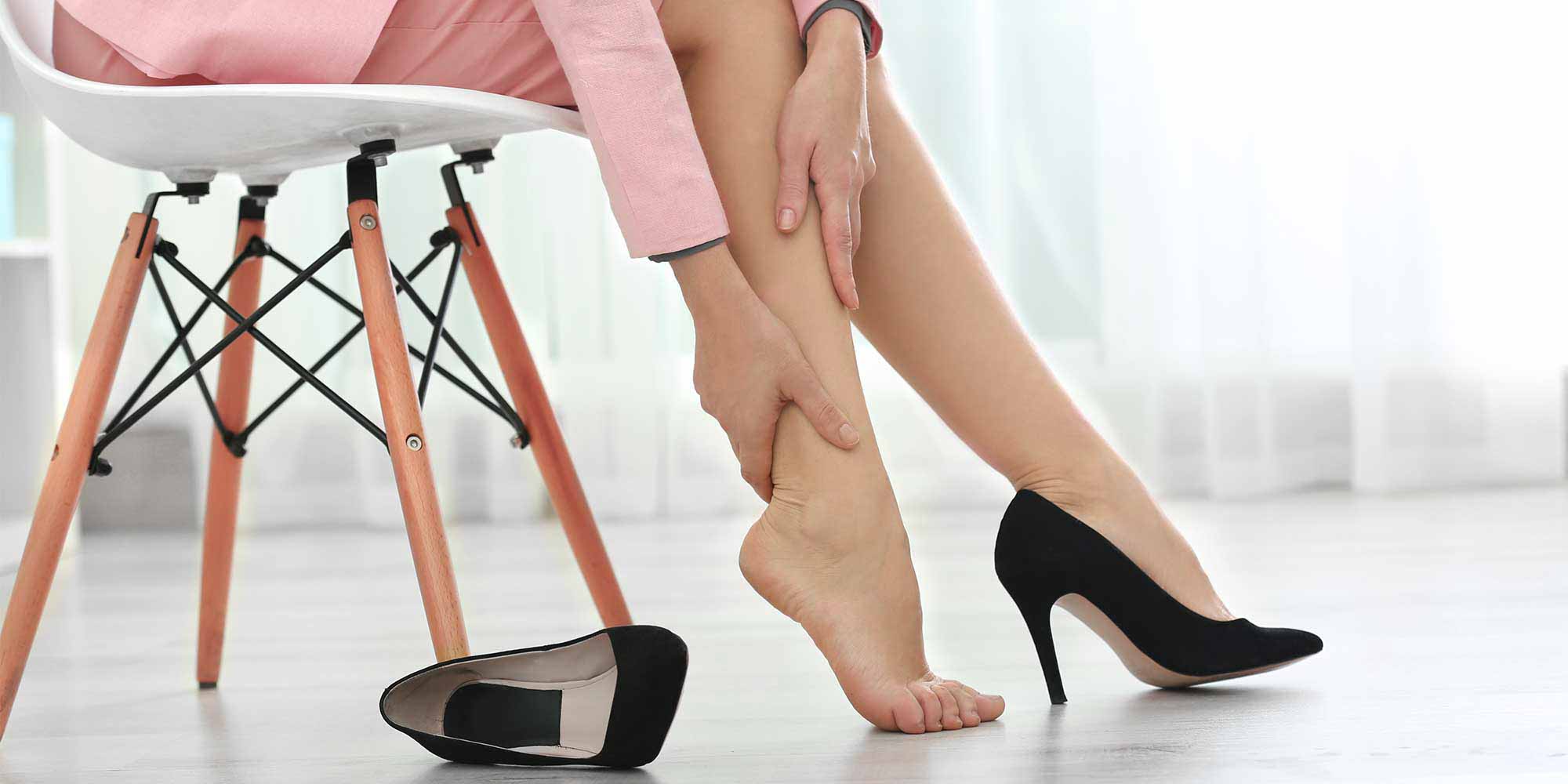
"Lipoedema is a very young disease that is often still underestimated because it has been misdiagnosed or not diagnosed at all for a long time."
Typical symptoms of lipedema in detail
Abnormal fat distribution with a characteristic pattern
Lipedema is characterized by a noticeable disproportion between the trunk and the extremities. While the upper body remains slim, subcutaneous fat accumulates symmetrically on both legs and sometimes also on the arms. These fat deposits cannot be reduced through exercise or dieting—a key difference from classic obesity. The thighs, lower legs, hips, and buttocks are particularly frequently affected, while the hands and feet are typically spared.
Pain and tenderness
A key symptom of the condition is pain in the affected areas of the body. Patients report a constant feeling of pressure that intensifies with physical activity. Even light touch can be uncomfortable, and many people with lipedema feel that the affected limbs are heavy and tight. These symptoms clearly distinguish lipedema from simple obesity, in which such complaints do not typically occur.
Pillar legs
So-called "columnar legs" are often associated with the disease. The legs of those affected appear almost contourless and - as the name suggests - columnar. Many women are therefore reluctant to show their body. Psychological stress is often the result.
Rapid development of hematomas (bruises)
Even the slightest pressure or bump against an object can cause bruises in someone with vascular fragility, even with just light pressure or contact with the limbs.
Feeling of tension in warm temperatures
Feelings of tension in the legs in warm temperatures or so-called pain at rest (especially after prolonged exertion) are also common symptoms of lipoedema.
Incidentally, pain at rest and to the touch are among the decisive criteria for distinguishing lipoedema from classic obesity.
Cellulite - mattress phenomenon
The cosmetic impact of cellulite (“mattress effect”), characterized by dimpling of the subcutaneous fat, is psychologically distressing for many people affected by it.
Cold feeling
People with lipedema often find that their thighs or buttocks feel cold because the lipedema-affected fatty tissue has reduced blood flow.
Course and hormonal influences
A characteristic feature is that symptoms worsen as the day progresses. In the morning, the legs often feel light, but as the day goes on, swelling and a feeling of tightness increase. The condition often first appears during periods of hormonal change, such as puberty, pregnancy, or menopause.
Distinguishing Lipedema from Lymphedema and Obesity
| feature | Lipedema | Lymphedema | Obesity |
|---|---|---|---|
| Affected individuals | Almost exclusively women | Both genders | Both genders |
| Pain | Yes, pressure sensitivity | Usually painless | Usually painless |
| Bruises | Very common | Rare | Rare |
| Weight-loss effect | No effect on fat | No effect | Effective |
| Hands/Feet | Omitted | Frequently affected | Proportionally affected |
This distinction is crucial for an accurate diagnosis. While obesity can be treated through dietary changes and exercise, patients with lipedema require specialized therapy.
Not sure if you suffer from lipoedema?
Together with your treating physician, you can try the “Munich Lipedema Score (MLS).” The Munich Lipedema Score was developed by PANTEA® founder Dr. Anna-Theresa Lipp and other experienced plastic surgeons in Munich to help physicians make a diagnosis, standardize the diagnosis of lipedema, and classify lipedema.
Your next step: A professional diagnosis at PANTEA®
Lipedema is diagnosed through a detailed medical history interview and a physical examination. At PANTEA®, we also utilize state-of-the-art technology: Our 3D scanner enables precise documentation of fat distribution—which is particularly important when applying for coverage from your health insurance provider, as lipedema has been covered by insurance under certain conditions since 2024.
Video: Lipedema symptoms - signs & diagnosis
Optimal treatment for your lipoedema in Munich: After your PANTEA experts have treated you, you will feel better!
Our renowned private practice PANTEA® in Munich has proven specialists for your lipoedema treatment. A team of highly qualified specialists, who perform more than 700 procedures a year, is ready to help you.

Frequently Asked Questions About Lipedema Symptoms
In lipedema, the legs or arms are tender and painful, while the upper body remains slim. Diets do not affect the fat associated with lipedema. In obesity, fat is distributed throughout the entire body, is painless, and can be reduced through dietary changes.
Without treatment, lipedema usually progresses. Fat accumulation increases, pain worsens, and secondary conditions may develop. Early treatment can slow this down.
The tendency to develop hematomas is caused by fragile blood vessels in the diseased fatty tissue, which rupture even under minimal stress.


