












What diet is recommended for lipedema? – Diet for lipedema patients for greater well-being
Unlike us at obesity , lipedema is not caused by poor, high-calorie nutrition, but by a chronic pathological fat distribution disorder. This also means that healthy nutrition cannot directly combat lipedema, but it does contribute to general health and mental well-being. And in turn, this promotes conservative lipedema therapy.
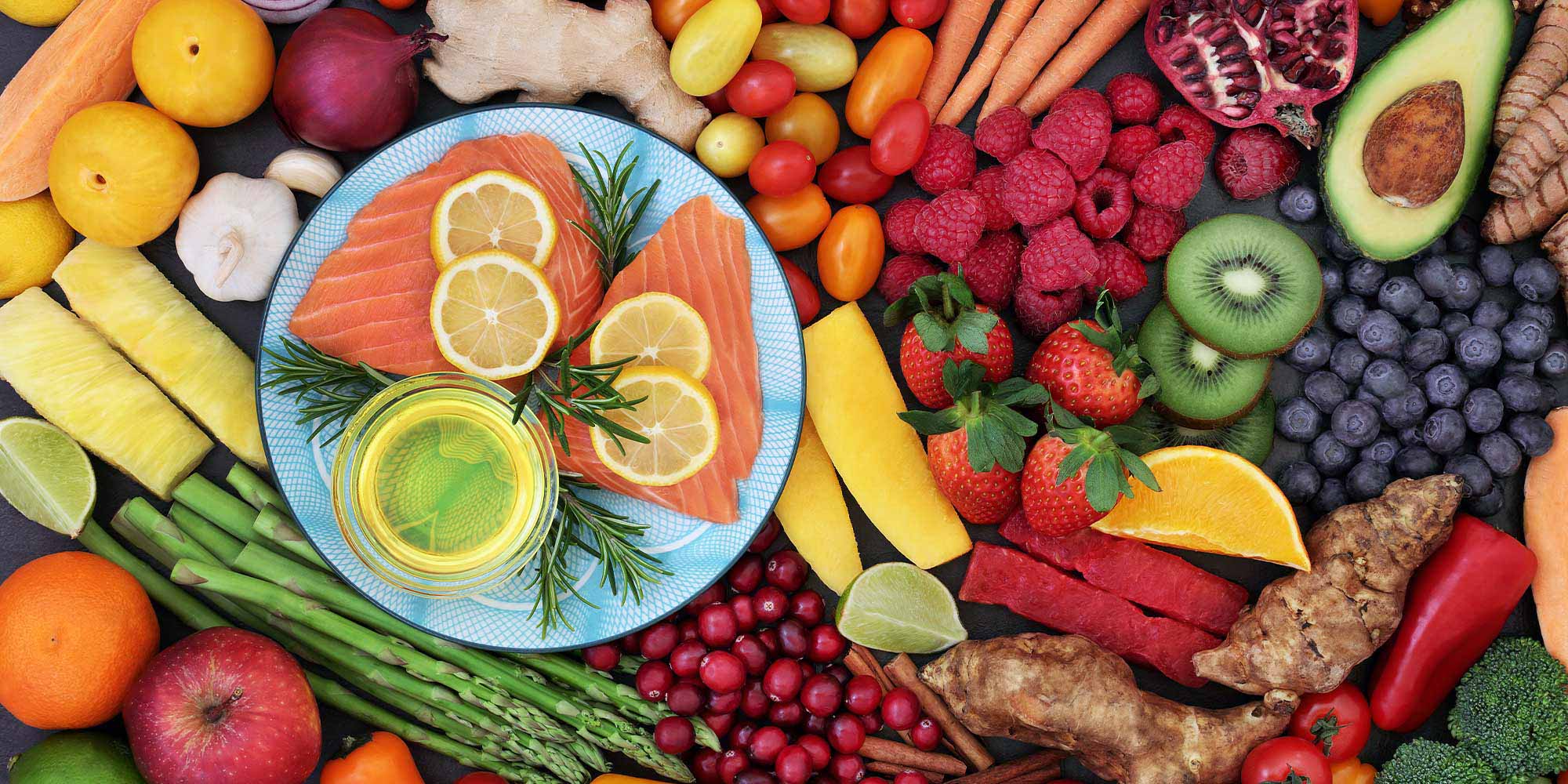
A mindful and balanced diet rich in fresh fruit, vegetables, legumes, and beneficial anti-inflammatory foods such as omega-3 fatty acids from fish and nuts provides valuable support for your body when suffering from lipedema. Being mindful of portion sizes, drinking enough fluids, and avoiding sugary and highly processed foods and alcohol will help to gently improve your well-being.
Find out which diet can improve your quality of life in the long term if you have lipedema—without strict diets or the dreaded yo-yo effect. You will discover a way that can be easily integrated into your everyday life and that will make a real contribution to your health and self-management.
Break out of the vicious cycle of dieting
It is important to us to prevent you from jumping from one diet to the next and thus falling into a stressful cycle of starvation and the yo-yo effect. This vicious circle not only exhausts your body, but can also put a strain on your psyche and even exacerbate the symptoms of lipedema and the associated pain.
That is why PANTEA® founder Dr. Anna-Theresa Lipp and her dedicated research team investigated which diet is particularly helpful for lipedema patients. Based on these findings, targeted lipedema nutrition plans were developed that can be easily integrated into everyday life and are specifically tailored to the needs of lipedema sufferers.
"A balanced and blood sugar-friendly diet, consisting mainly of fruit, vegetables and pulses, is recommended for lipoedema."
Our interdisciplinary research and development team consists of experts in medicine, biology, and naturopathy and is led by two experienced former university professors. Nutritional therapy plays an important role in this, as it supports the long-term treatment of lipedema patients. We attach great importance to providing our patients with holistic and individual support and advice before and after each treatment.
The proven 3-pillar principle of lipedema nutrition
Our specially developed nutrition plans are based on a simple but effective three-pillar principle that helps you feel good all round and provides your body with the best possible support for lipedema:
1. Saturation
A balanced lipedema diet plan with calorie-conscious recipes ensures that you can enjoy three varied and delicious meals every day that keep you feeling full for longer and prevent cravings.
2. Revitalization
Gentle detoxification supports liver function and stimulates fat metabolism. This also keeps cell metabolism in balance—an important basis for more energy, fat burning, and well-being.
3. Energizing
This supplement promotes healthy energy metabolism and supports the balance of your serotonin levels. This helps reduce fatigue and strengthen your mental clarity and psychological stability.
This holistic approach will give you a solid foundation for better managing your lipedema and improving your quality of life in the long term.
Which foods are particularly suitable for lipedema?
Anti-inflammatory foods for greater well-being
Inflammation in the tissue plays an important role in lipedema and accompanying lymphedema. Foods with natural anti-inflammatory properties are therefore particularly helpful in alleviating discomfort, swelling, and pain, and in improving overall well-being:
- Fish rich in omega-3 fatty acids, such as salmon, mackerel, and herring, support blood vessel health and have a mild anti-inflammatory effect.
- Fresh berries such as blueberries, raspberries, and blackberries—packed with antioxidants that protect the body.
- Green leafy vegetables such as spinach, kale, and Swiss chard—rich in vitamins and minerals that promote cell health.
- Nuts and seeds, especially walnuts and flax seeds, provide valuable plant-based fats and support metabolism.
- Turmeric and ginger are beneficial spices – they not only add flavor, but also have natural anti-inflammatory properties.
Blood sugar-friendly carbohydrates for stable energy
A diet that keeps blood sugar levels stable helps prevent food cravings and reduce inflammation. The following foods are particularly suitable:
- Whole grain products instead of white flour – provide long-lasting energy and lots of fiber.
- Legumes such as lentils, chickpeas, and beans provide valuable plant protein and aid digestion.
- Oatmeal and quinoa – keep your blood sugar stable and keep you feeling full for longer.
- Sweet potatoes as an alternative to regular potatoes – with a lower glycemic index.
Protein-rich foods for long-lasting satiety and muscle strength
Proteins are important for promoting satiety and maintaining muscle mass, which is particularly beneficial in cases of lipedema:
- Lean poultry and fish – easily digestible and rich in nutrients.
- Eggs from species-appropriate husbandry – versatile and valuable for the body.
- Legumes as a plant-based source of protein – ideal for a varied diet.
- Natural yogurt and quark – also provide important probiotics for intestinal health.
- Tofu and tempeh – excellent plant-based alternatives that can be used in a variety of ways.
What you should avoid if you have lipedema
Certain foods can promote inflammatory processes, raise blood sugar levels, and promote water retention:
| food group | Why avoid? | Healthier alternative |
|---|---|---|
| Sugary drinks | Blood sugar spikes, promotion of inflammation | Water with lemon, unsweetened teas |
| Processed meat products | High salt content, saturated fats | Fresh lean meat, fish |
| Fast food | Trans fats, high calorie density | Home-cooked meals |
| finished products | Hidden sugars, additives | Fresh, unprocessed ingredients |
| alcohol | Liver metabolism, water retention | Non-alcoholic alternatives, water |
Practical everyday tips for changing your diet
Meal planning made easy
Good preparation will help you to implement your diet in a relaxed manner in your everyday life:
- Create a weekly plan: Decide on your main meals for the coming week so that you can keep track of things and shop in a targeted manner.
- Write a shopping list: With a list, you can avoid spontaneous, unhealthy purchases and stick to your diet plan.
- Use meal prep: Prepare larger quantities, divide them into portions, and save time on stressful days.
- Have healthy snacks ready: Keep chopped vegetables, nuts, or fresh fruit handy to prevent cravings.
Finding the right portion size
Lipedema is not about starving yourself, but about achieving a balanced diet:
- Use smaller plates, as this helps you to estimate portion sizes better.
- Eat slowly and mindfully to recognize your natural feeling of fullness and avoid overeating.
- Use the plate formula: ½ vegetables, ¼ protein, and ¼ healthy carbohydrates—this is the best way to support your body.
Don't forget to drink
Getting enough fluids is important for your metabolism, lymph flow, and supports detoxification:
- Drink at least 2 liters of water per day, preferably spread throughout the day.
- Herbal teas can also have a diuretic effect and increase well-being.
- Reduce caffeinated beverages to 2-3 cups per day to avoid putting strain on the body.
These simple tips will make it easier for you to change your diet and create a healthy foundation for your well-being and quality of life.
Nutrition as part of holistic lipedema treatment
Our goal is to provide you with a sustainable, holistic lipedema nutrition plan that helps you bring your body and mind into harmony, thereby improving your quality of life in the long term.
The right diet for lipedema does not work on its own, but unfolds its full potential in combination with other proven conservative therapies:
- Compression therapy: Supports lymph drainage and helps reduce swelling.
- Manual lymphatic drainage: Promotes the removal of excess fluid from the affected extremities.
- Exercise: Stimulates metabolism, improves mobility, and supports weight loss.
- Skin care: Maintains the elasticity and health of the skin, which increases well-being.
Long-term success instead of short-term diets
Our approach deliberately differs from traditional diets: instead of strict prohibitions, you learn which foods are good for you and how you can enjoyably integrate them into your everyday life.
This diet is characterized by:
- Sustainability—it can be permanently incorporated into your lifestyle.
- Individuality – Your personal preferences and needs are taken into account.
- Flexibility – you can enjoy special occasions without feeling guilty.
- A positive relationship with food promotes your well-being and supports your self-management.
- Holistic support – nutrition complements your lipedema treatment and strengthens your overall health.
By consciously changing your diet, you can create a stable foundation for alleviating your symptoms and noticeably improving your quality of life.
Your next steps
Changing your diet is a valuable and supportive step in managing your lipedema. You don't have to go it alone. At PANTEA®, we are here to support you with compassion and expertise:
- Personalized nutritional advice from our team of experts.
- Personalized lipedema nutrition plans that are easy to integrate into your everyday life.
- Continuous support before and after surgery to promote your recovery in the best possible way.
- Access to tried-and-tested recipes and practical everyday tips that will bring you enjoyment and well-being.
Even though proper nutrition cannot cure lipedema, it can significantly help alleviate your symptoms and improve your quality of life in the long term. By consciously changing your diet, you can support your body and strengthen your self-management on your individual path to recovery.
Overview of conservative lipedema therapy
To the overview of conservative lipedema therapies.
Optimal treatment for your lipoedema in Munich: After your PANTEA experts have treated you, you will feel better!
Our renowned private practice PANTEA® in Munich has proven specialists for your lipoedema treatment. A team of highly qualified specialists, who perform more than 700 procedures a year, is ready to help you.


